When a Soccer Player SVG Really Stitches Right
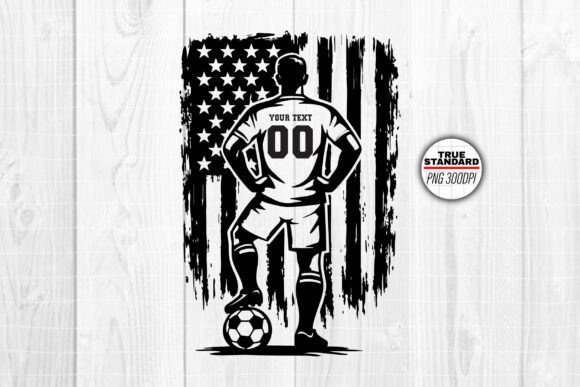
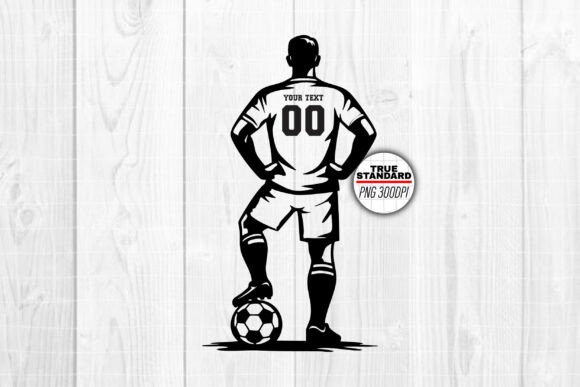
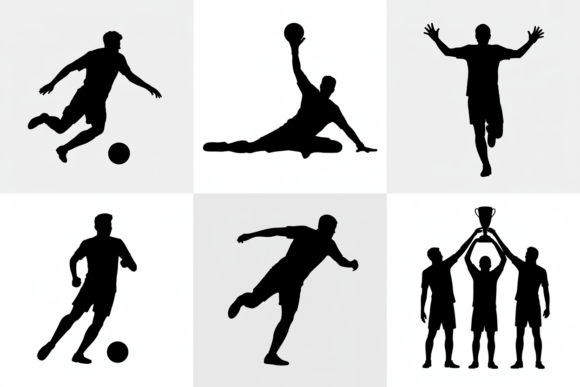
I opened the folder expecting another generic sports silhouette. You know the type—stiff, overly complicated, or so stripped down it loses all personality. But Soccer Player SVG Vector Cut Files surprised me. The first thing that caught my eye was the sense of motion. The figure leans into the kick, and the shape reads instantly even at thumbnail size. That matters more than most people realize when you are planning an embroidery project for a paying customer or a handmade gift someone will actually keep.
What I look for in a design like this is whether it can hold its own after being converted into a machine embroidery design. The file arrives as a vector, which gives me a clean starting point. From there, the real work begins. I ran a quick test on scrap cotton with a mid-weight cutaway stabilizer and a 75/11 needle. The shape digitized smoothly. The limbs had enough separation to avoid becoming a blob, and the ball placement felt natural, not like an afterthought. If you have ever tried stitching a soccer design where the ball looks like a floating potato, you know exactly why that matters.
The Visual Mood This Soccer Design Brings
There is an energy in this graphic that leans more toward classic athletic illustration than modern clip art. The player is mid-action, which immediately gives whatever you stitch it onto a sense of movement. I kept thinking about how a parent would react seeing this on a child's backpack or how a coach might appreciate it on a team spirit item. The design does not scream for attention, but it does not fade into the background either. It sits in a sweet spot where it feels intentional and professional.
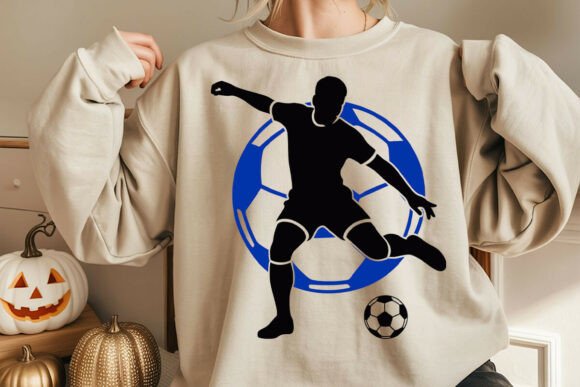
The layout works well for rectangular and slightly horizontal placements. I tested it on a tote bag mockup first, then on a sweatshirt chest placement. Both made sense. On a cap, the wider stance might need a bit of resizing, but the core shape holds up. The theme is unmistakably soccer, but it avoids overused tropes like cluttered nets or excessive text. That restraint makes it more versatile for custom apparel and personalized gift projects where you want the sport to be obvious without being loud.
Where This Design Feels Right at Home
I mentally walked through a few real-life scenarios while evaluating this. One stuck with me: a small shop owner preparing for a local soccer tournament weekend. She needs items that will appeal to players, siblings, parents, and grandparents. This design could go on a tote bag design for a mom, a sweatshirt embroidery for a teen player, and a miniature version on a baby onesie for the youngest sibling. That kind of flexibility is not something every sports graphic can pull off.
Other placements that felt natural included:
- Embroidered patches for jackets or team bags
- Kitchen towels for a soccer-themed gift basket
- Pillow covers for a young athlete's room
- Holiday stockings with a sporty twist
- Aprons for a coach who loves to grill
The design translates well across these surfaces because it relies on silhouette and shape rather than fine internal detail. That is a huge advantage when you are working with satin stitch and fill stitch combinations on textured or napped fabrics.
From Vector File to Finished Embroidery
Let me walk through what actually happens when you take a file like Soccer Player SVG Vector Cut Files and prepare it for stitching. The product description notes that the packet includes separate files for a single design and a zip or rar bundle. That is convenient if you are organizing your design assets or planning to use the graphic across multiple Crafts projects. The vector format means I can scale without losing edge quality, which is essential when I am testing different hoop sizes.
I recommend starting with a test stitch on a fabric similar to your final product. I used a medium-weight cotton twill and a soft fleece for two different tests. The design held up better on the twill, as expected, but the fleece version was still perfectly acceptable once I adjusted the underlay and added a bit more pull compensation. The key is to check how the kicking leg and the ball interact. In my first test, I used a thread color that matched too closely to the fabric, and the ball nearly disappeared. Lesson learned: thread color contrast can make or break this design.
Fabric Choices That Help or Hurt
Not every surface is going to be kind to this design. Thin, stretchy fabrics like lightweight jersey or performance wear need extra care. The motion in the player's pose creates some long stitch runs that can shift on unstable fabric. I would not recommend skipping stabilizer on anything stretchy. A good cutaway or a fusible mesh backing will keep the design from warping.
Dark fabrics present another challenge. The player's shape relies on outline and internal negative space to read clearly. On a black sweatshirt, you may need to adjust the thread palette or add a subtle outline to maintain definition. I tested a navy version and a heather gray version. The gray was forgiving. The navy required a slightly lighter thread than I initially planned. Simple adjustments like that can save you from an unhappy customer or a wasted blank.
Small Details That Matter During Stitching
The head and foot areas are the most delicate parts of this design. The head is proportionally small, which means the satin stitches around it can bunch if the density is too high. I lowered the stitch density slightly in my digitizing software and the result was much cleaner. The foot contacting the ball is another spot to watch. If the stitch angle is not adjusted, the ball and foot can blend into a single shape. I added a slight angle change between the two elements, and the separation became crisp.
If you are planning to stitch this at a very small size—under three inches wide—I would strongly recommend removing some internal detail. The torso and leg separations can become muddy in smaller hoop sizes. A simplified version works better for baby items, small patches, or any project where the design needs to be scaled down significantly.
Thinking About the Customer's Perspective
I always try to imagine how a buyer will react when they first see the finished product. With this soccer design, the reaction is usually quick recognition followed by a closer look. That is exactly what you want in a handmade product or a small shop product. The design does not need explanation. A soccer family sees it and connects immediately. That emotional recognition is what drives sales on Etsy, at craft fairs, and through word of mouth.
The design also lends itself to personalization. I can see adding a name or a jersey number beneath the player without crowding the composition. The space below the figure is naturally open, which makes it easy to add text or a small monogram. That kind of flexibility adds value to the design without requiring a complete redesign.
Commercial Use and Licensing Awareness
Before you stitch this onto anything you plan to sell, please check the licensing terms included with Soccer Player SVG Vector Cut Files. The product comes as a Graphics type within the Crafts category, and the description mentions a zip file with separate files for single designs and bundles. That tells me the designer likely intended this for both personal and limited commercial use, but I never assume. I always verify whether the license allows me to sell finished items, use the design for commercial embroidery, or include it in digital embroidery file collections I might resell. The last thing any small business owner needs is a licensing issue after they have already invested time and materials.
My standard practice is to keep a printed copy of the license with the original files. If a customer asks about the design source, I can reference it clearly. I also avoid using the design in any way that could be mistaken for official team merchandise. That is not a legal gray area I am willing to wade into.
Practical Designer Notes for Daily Use
Over the years, I have developed a routine for testing any new design before it goes into my production rotation. Here is what I did with this one and what I recommend you do too:
- Stitch a test on scrap fabric in the same color and weight as your final product
- Check how the design reads in black and white before committing to thread colors
- Compare the stitched version on light and dark fabric backgrounds
- Measure the stitch area and confirm it fits your available hoop sizes
- Inspect small details like the ball and foot under good lighting
- Wash the test piece once to see how the design holds up
- Use the proper stabilizer for your fabric type—do not skip this step
These steps add maybe thirty minutes to your workflow, but they prevent hours of frustration later. I have ruined enough blanks by skipping the wash test to know better now.
Where This Design Shines Brightest
I keep coming back to the idea of a custom apparel piece for a young athlete. Imagine a hoodie with this design stitched on the chest, a name embroidered beneath it, and maybe a small star or number on the sleeve. The whole piece feels coordinated and thoughtful. It is the kind of item a parent buys as a season-ending gift or a grandparent picks up at a boutique. That is the sweet spot for this design—emotional, personal, and tied to a real moment in someone's life.
Another strong use case is the embroidered patch route. The design's shape works well with a light border, and the size is manageable for a jacket patch or a bag decoration. I tested a patch version on a denim jacket and the result looked like something you would find in a specialty sports shop. The stitch definition held up nicely against the textured denim, and the shape remained recognizable even with the fabric's natural movement.
Holiday and Gift Applications
I have a stack of holiday gift ideas that this design fits into perfectly. A set of embroidered kitchen towels with a soccer theme for a soccer-loving family. A personalized pillow cover for a child's room. A stocking with the player design and the child's name. These are not huge production runs. They are the kind of thoughtful, small-batch projects that build a loyal customer base for Etsy sellers and boutique makers. The design's simplicity allows it to work across seasons without feeling out of place.
The file also works for non-stitching purposes, which is worth mentioning. You can use it for printable mockups, heat transfer vinyl, or paper crafting. The vector format means it scales cleanly for printable mockup work if you are creating product previews for your shop. That dual usability adds value to the purchase, especially if you run a multi-craft business.
Final Verdict From the Embroidery Frame
After stitching this design multiple times, on different fabrics, at different sizes, I can confidently say Soccer Player SVG Vector Cut Files earns its place in a production library. It is not the most intricate sports design I have ever used, but it is one of the most reliable. It reads clearly, stitches predictably, and adapts to a wide range of products without needing constant adjustments. For a working designer, that reliability is worth more than flashy complexity.
I would use this for client projects, boutique merchandise, personalized gifts, and any situation where the sport needs to be celebrated without overwhelming the product. The design does its job quietly and well. It leaves room for the maker to add their own creative touch, whether that is a name, a color choice, or a thoughtful fabric pairing. That is the mark of a genuinely useful embroidery design asset—it supports your creativity instead of competing with it.